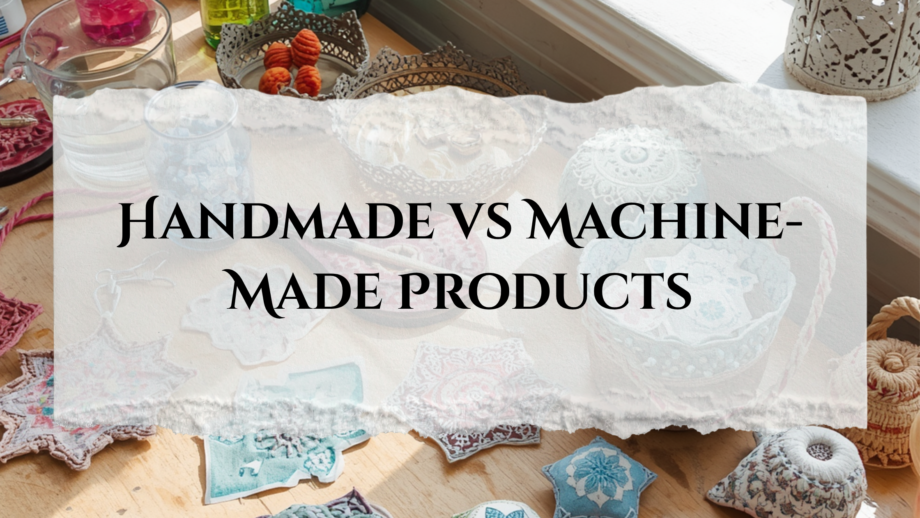
Handmade vs Machine-Made Products: Why Handcrafted Home Décor Truly Wins
A complete guide from The Living Crafts — exploring craftsmanship, sustainability, and the art of choosing handmade products that mean something.
At The Living Crafts, we believe your home deserves more than mass-produced décor pulled off a factory shelf. Whether you’re searching for handmade wall art, artisan dream catchers, or scented candles crafted by skilled Indian artisans, understanding the difference between machine-made and handcrafted home decor products helps you make choices that are richer in meaning, sustainability, and lasting beauty.
What Are Handmade Products? A Definition Worth Knowing
Handmade products are items created by skilled artisans using their creativity, traditional techniques, and personal attention to detail. At The Living Crafts, every piece we curate goes through hands — not conveyor belts. The result is décor that carries a story, a texture, and an energy that factory output simply cannot replicate.
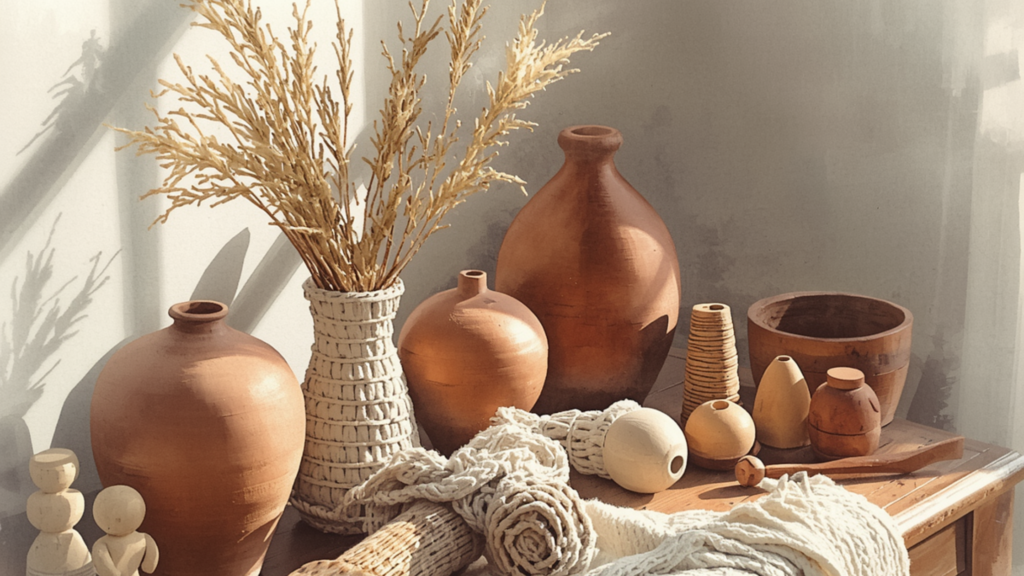
From hand-poured scented candles to intricately woven dream catchers, handcrafted home décor items include:
What Are Machine-Made Products?
Machine-made products are manufactured in factories using automated processes and standardized templates. They are designed for mass production — identical copies, produced at scale, with speed as the primary goal. While they often serve their purpose at an accessible price point, machine-made items cannot offer the individuality, craftsmanship, or cultural depth that handcrafted pieces deliver.
Handmade vs Machine-Made: A Side-by-Side Comparison
| Feature | Handmade Products | Machine-Made Products |
|---|---|---|
| Uniqueness | ✔ Every piece is one-of-a-kind | ✘ Identical copies |
| Craftsmanship | ✔ Intricate, human-crafted detail | ✘ Uniform, automated finish |
| Customization | ✔ Colors, sizes, names, motifs | ✘ Limited or unavailable |
| Eco-friendliness | ✔ Natural, sustainable materials | ✘ Plastic, chemical processes |
| Emotional value | ✔ Personal story behind each piece | ✘ No artisan connection |
| Cultural significance | ✔ Rooted in heritage art forms | ✘ Imitated, not authentic |
| Price | Higher — reflects time & skill | Lower — mass production |
| Supports artisans | ✔ Directly supports small creators | ✘ Profits large manufacturers |
8 Key Differences Between Handmade and Machine-Made Products
1. Uniqueness — No Two Pieces Are Alike
The most defining quality of handmade crafts is their inherent uniqueness. Because they are shaped by human hands, slight variations in texture, colour, and form appear naturally — and that’s exactly what makes them special. When you hang a handmade painting from The Living Crafts on your wall, you own something no one else in the world has.
Machine-made products, by contrast, are generated from fixed moulds and digital templates. What you receive is a copy of a copy — predictable, interchangeable, and stripped of personality.
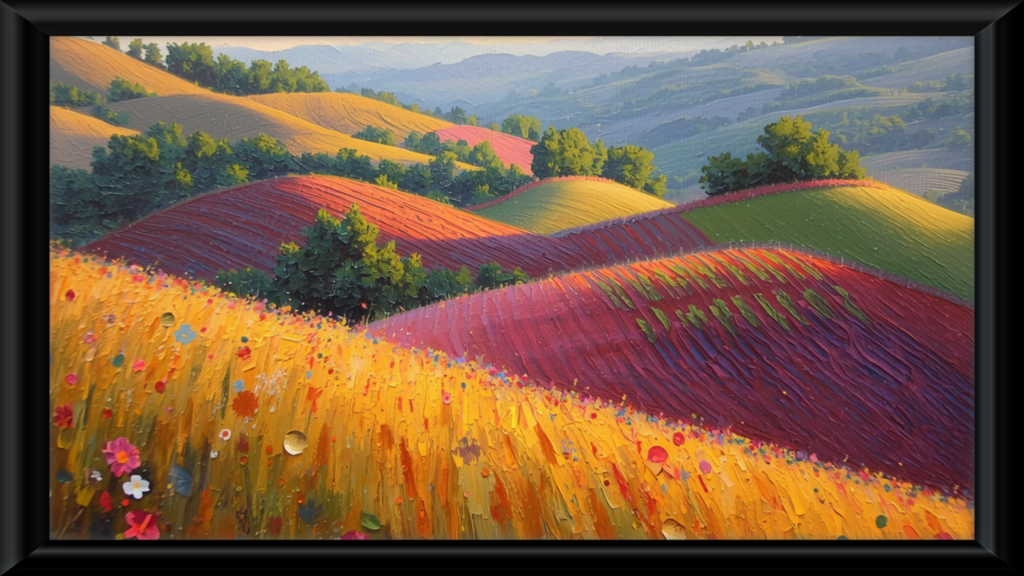
No two handmade paintings are identical — each carries the artisan’s unique touch.
2. Craftsmanship & Attention to Detail That Shows
Artisans invest hours — sometimes days — into a single piece. They select materials by touch, adjust colours by eye, and refine finishing strokes by hand. This dedication shows in the final product, from the tight weave of a macramé wall hanging to the smooth pour line of a hand-dipped candle.
Mass manufacturing optimises for throughput. While quality control exists, the human discernment and artistic intention that elevate a product from functional to beautiful are absent by design.
3. Emotional Value — Your Décor Tells a Story
Every handcrafted item from The Living Crafts carries the creative energy and personal expression of the artisan who made it. Buyers often describe a stronger emotional connection to handmade pieces precisely because they know a real person carefully brought them into the world.
“A handmade piece doesn’t just decorate your space — it brings a human story into your home.”— The Living Crafts
4. Customisation — Décor Made Exactly for You
One of the most practical advantages of buying handmade home décor online is the ability to personalise it. At The Living Crafts, many of our artisans accept custom requests — specific colour palettes, personalised names or messages, altered dimensions, and unique motifs tailored to your space or occasion.
5. Sustainability — Choosing Décor That’s Kind to the Planet
Handmade production on a small scale inherently generates less environmental impact than industrial manufacturing, which often relies on synthetic inputs, heavy energy consumption, and single-use packaging.
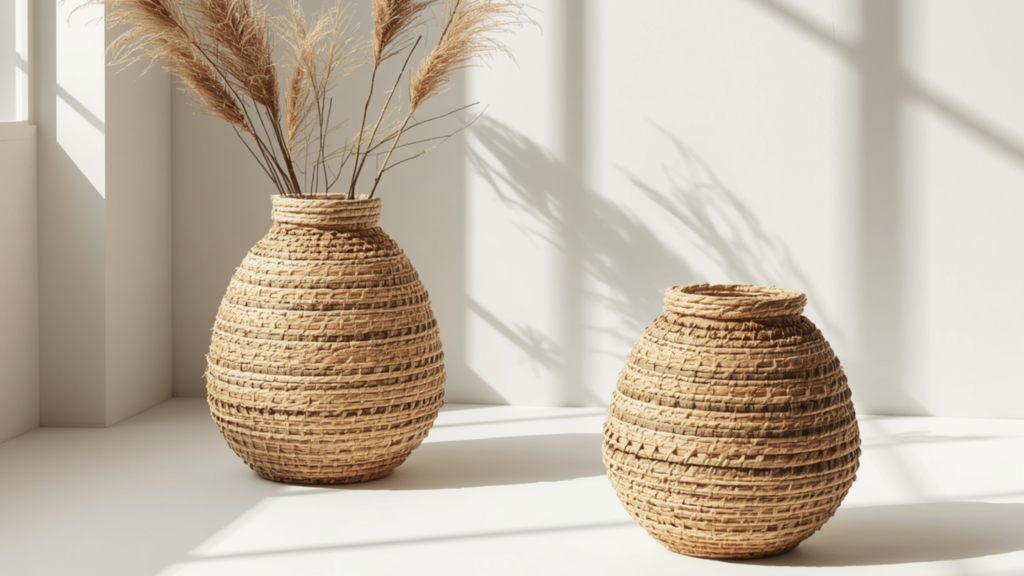
According to a 2023 study by the Ellen MacArthur Foundation, local artisan production can reduce a product’s carbon footprint by up to 40% compared to equivalent mass-manufactured items. Choosing eco-friendly handmade products is one of the most straightforward ways to align your home with your values.
6. Supporting Artisans and Small Businesses Across India
When you purchase from The Living Crafts, your money flows directly to independent creators and craft communities — not to large corporate manufacturers. India has one of the world’s richest traditions of handloom, handcraft, and folk art, and these artisans deserve sustained livelihoods.
7. Cultural and Artistic Heritage — Art That Lives On
Many of the handmade home décor items at The Living Crafts are rooted in India’s centuries-old regional art traditions, including Madhubani (Bihar), Warli (Maharashtra), Mandala art, and Lippan art (Gujarat). Machine-made products may print similar patterns onto surfaces, but they lack the lived cultural knowledge and skilled hand that make these art forms meaningful.
8. Price vs Value — Why Handmade Is Worth the Investment
Yes, handmade products typically cost more than their machine-made counterparts. But the comparison isn’t really about price — it’s about value. A handmade piece delivers artistic merit, emotional resonance, a unique identity, and durability born of careful construction. It doesn’t depreciate the way mass-produced décor does, and it doesn’t end up discarded when trends change.
Why More People Are Choosing Handcrafted Home Décor in 2026
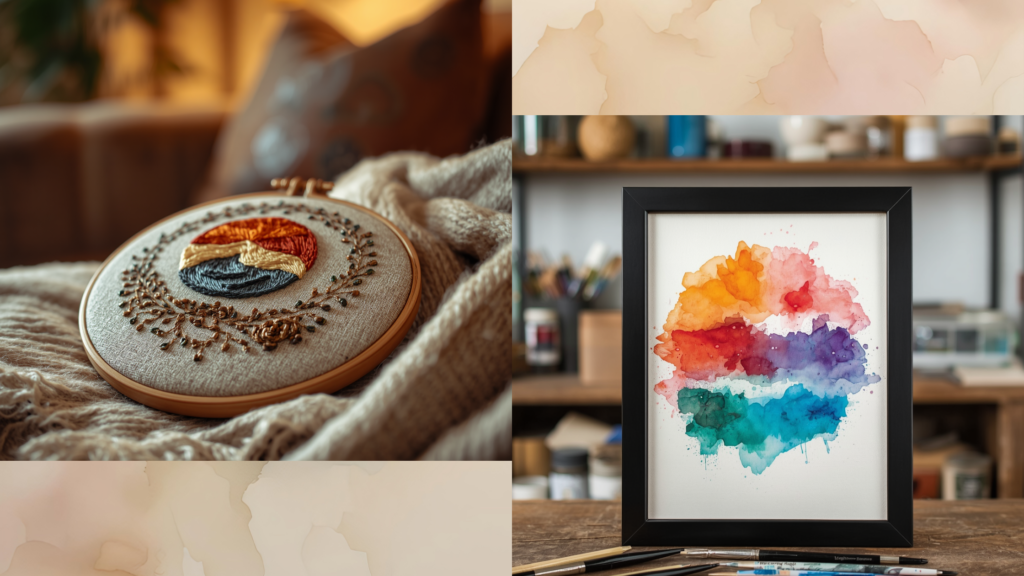
The shift toward handmade products online is being driven by a growing desire for authenticity, sustainability, and meaningful design. Here’s why homeowners and gift-buyers across India and beyond are making the switch:
Unique Designs
No mass-produced duplicate. Your space stays truly yours.
Artisan Support
Every purchase directly sustains a skilled craft community.
Eco-Friendly
Natural materials, smaller footprint, responsible choices.
Customisable
Personalise colours, sizes, and messages for any occasion.
Cultural Depth
Rooted in India’s living art traditions, not imitated.
Meaningful Gifts
Thoughtful, memorable, and impossible to replicate.
Ready to Bring Handcrafted Beauty Home?
Explore The Living Crafts’ full collection of handmade wall art, dream catchers, scented candles, and artisan home décor — made by skilled Indian artisans, crafted for your space.
Frequently Asked Questions About Handmade vs Machine-Made Products
What is the main difference between handmade and machine-made products?
The primary difference lies in how the products are created. Handmade products are crafted by artisans using their skills, creativity, and attention to detail, while machine-made products are produced in factories using automated processes. Handmade items are often unique, whereas machine-made products are typically identical and mass-produced.
Are handmade products better than machine-made products?
Both have their advantages, but handmade crafts are generally valued for their uniqueness, superior craftsmanship, and personal touch. If you are looking for unique home décor, custom gifts, or products with artistic and cultural value, handmade items are almost always the better choice.
Why are handmade products more expensive?
Handmade products require significant time, effort, and skill to create. Artisans often use high-quality or natural materials and focus on intricate detail, which increases production costs. The price also reflects the originality, cultural knowledge, and craftsmanship embedded in each piece.
Are handmade products eco-friendly?
Yes — many handmade home décor items are created using sustainable, natural, or recycled materials. Small-scale artisan production also tends to generate significantly less waste and consume fewer resources compared to industrial manufacturing.
Can handmade products be customised?
Absolutely. This is one of the biggest advantages of buying handmade products online. At The Living Crafts, many of our artisans offer personalised options including custom colours, sizes, names, and design elements to suit your specific preferences or occasion.
Which is better for gifting — handmade or machine-made products?
Handmade gifts are almost universally considered more thoughtful and meaningful because they are unique, often customisable, and carry the energy of a real person’s craft. They are ideal for birthdays, anniversaries, weddings, housewarmings, and corporate gifting.
What are popular handmade home décor items in India?
Popular handmade home décor items in India include Madhubani and Warli paintings, macramé wall hangings, dream catchers, hand-poured scented candles, Lippan art mirrors, decorative flower pots, and traditional woven textiles. The Living Crafts stocks a curated range across all these categories.
Where can I buy handmade home décor online in India?
The Living Crafts is a dedicated online destination for handcrafted home décor, gifts, and wall art made by skilled Indian artisans. Browse our full collection at thelivingcrafts.com and find pieces crafted with genuine artistry and care.